
WE NOT ONLY PUMP YOUR TANK - WE CLEAN IT! 
WE NOT ONLY PUMP YOUR TANK - WE CLEAN IT!
Free Septic System Inspection ($99 Value) Free enzyme treatment, Financing Available
Request Service Now!
407-565-7044 Free Septic System Inspection ($99 Value) Free enzyme treatment, Financing Available
Request Service Now!
407-565-7044
.webp)
A septic system is designed to handle a steady, manageable flow of wastewater, not sudden surges that overwhelm its capacity. Daily activities like laundry, long showers, and running multiple appliances at once can quickly add up, pushing more water into the tank than it can effectively process. Excessive water flow disrupts the natural separation of solids and liquids, increasing the likelihood of system strain and potential flooding.
In this blog post, our professionals from Septic Blue will talk about how too much water at once can flood your septic tank and what steps can help prevent costly damage.
Your septic tank works by separating wastewater into layers. Solids settle at the bottom, oils float to the top, and liquid wastewater flows out into the drain field. This process depends on time and balance. Large volumes of water entering the system all at once disturb this separation, stirring up solids and pushing them into areas where they should not go. Without enough time to settle, waste moves through the system improperly, increasing the need for septic pumping and raising the risk of backups.
High water usage within a short period creates a surge that the tank cannot handle efficiently. Activities like doing several loads of laundry back-to-back or hosting guests who all use plumbing fixtures simultaneously can flood the system. Instead of gradually filtering through the soil, wastewater may return to the tank or back up into the home. This type of stress often leads to more frequent septic cleaning and can shorten the lifespan of the entire system.
The drain field plays a crucial role in dispersing treated wastewater into the soil. Excess water saturates the ground too quickly, preventing proper filtration and absorption. Once the soil becomes overly saturated, it loses its ability to treat wastewater effectively. Standing water, unpleasant odors, and slow drainage often follow. A reliable septic service in Orlando, FL can assess the condition of the drain field, but preventing overload in the first place is far more effective than dealing with repairs later.
Household routines often play a larger role in septic issues than expected. Running dishwashers and washing machines at the same time, taking extended showers, and using high volumes of water for cleaning can all contribute to system overload. Spacing out water usage allows the septic tank to function as intended. Even small adjustments in daily habits can significantly reduce the likelihood of flooding and minimize the need for emergency assistance from a septic company.
An overloaded septic system often provides early warning signs before a major problem occurs. Slow-draining sinks, gurgling pipes, and water pooling around the drain field indicate that the system is struggling to keep up. Ignoring these signals can lead to sewage backups and costly repairs. Regular inspections and timely septic pumping helps keep the system running smoothly and allows professionals to identify issues before they escalate.
Managing water usage is one of the simplest and most effective ways to protect your septic system. Spreading out laundry loads, fixing leaks promptly, and installing water-efficient fixtures all contribute to better system performance. Reducing the volume of water entering the tank at any given time allows it to process waste more effectively and prevents unnecessary strain. Thoughtful water management not only extends the life of your system but also reduces the frequency of septic pumping and unexpected service calls.
Are you in need of a septic service? Luckily, we at Septic Blue have dedicated workers ready at your disposal. Contact our representatives for more questions.
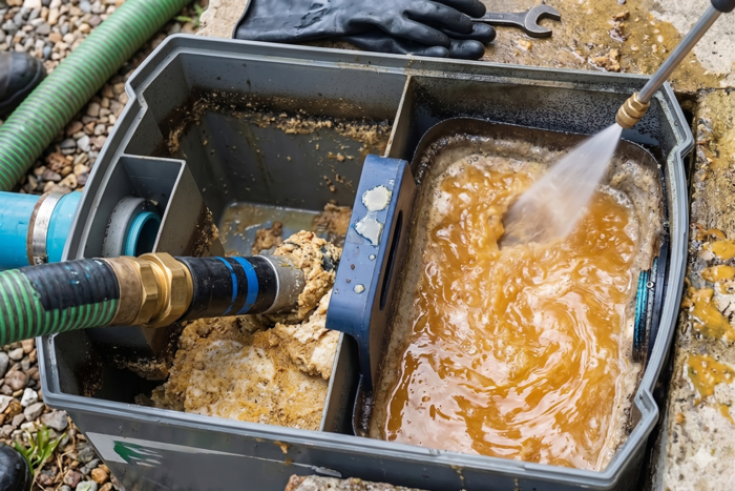
When it comes to plumbing maintenance, most of us are familiar with the basics. You probably know that grease doesn’t belong in your drains. If you don’t…
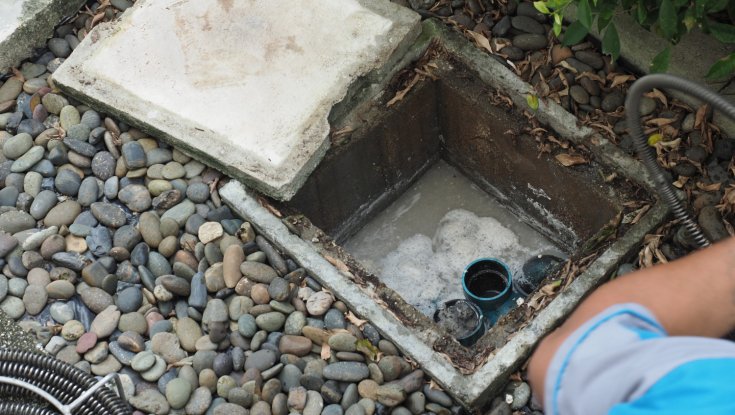
A healthy septic system relies on a balanced tank environment to support beneficial bacteria responsible for waste breakdown. While these organisms are rarely a cause for concern,…
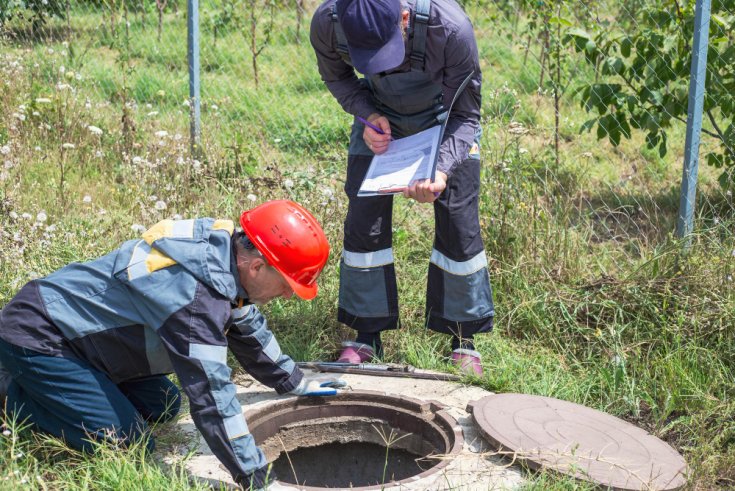
Every home relies on systems that work behind the scenes, and your septic system is no exception. Odors, backups, and costly repairs do not have to be…

If your home relies on a septic system, you know how important it is to keep it in top shape. At Septic Blue of Orlando, we’ve seen…