
WE NOT ONLY PUMP YOUR TANK - WE CLEAN IT! 
WE NOT ONLY PUMP YOUR TANK - WE CLEAN IT!
Free Septic System Inspection ($99 Value) Free enzyme treatment, Financing Available
Request Service Now!
407-565-7044 Free Septic System Inspection ($99 Value) Free enzyme treatment, Financing Available
Request Service Now!
407-565-7044
Do you know what happens to the wastewater once you open the plug in your kitchen sink or flush the toilet? If you live off the main sewer system, you probably have a septic system that takes care of waste. Some of the benefits associated with septic systems include independence, financial savings, and environmental benefits.
In this post, the experts at Septic Blue of Orlando pull back the lid to explain what really goes on inside a septic tank. Knowing how your septic tank works will help you understand what needs to be done to keep the system in top shape.
Every time you flush a toilet, run the dishwasher, or take a shower, wastewater flows into your septic tank through the main sewer line. This wastewater contains a mix of water, organic waste, grease, soap residue, and solid materials. Once inside the tank, the contents are held long enough for natural separation to begin.
Heavier solids sink to the bottom of the tank to form a dense layer called sludge. Lighter materials such as grease, oils, and fats float to the top, creating a scum layer. The middle layer consists of relatively clear liquid known as effluent. This separation process is vital, as it prevents solids from flowing out into the drain field and causing clogs or system failure.
Naturally occurring anaerobic bacteria inside the septic tank begin breaking down organic waste. These bacteria digest a portion of the solids in the sludge layer. While this biological process is effective, it is not complete. Some solids cannot be fully broken down and will continue to accumulate at the bottom of the tank.
As months and years pass, sludge and scum continue to build up inside the tank. Even with bacterial activity, waste accumulates faster than it can decompose. Without routine septic pumping, these layers become thicker. Eventually, sludge can rise high enough to mix with the effluent, or scum can clog the outlet baffle, allowing solids to escape into the drain field.
The effluent layer exits the septic tank through an outlet pipe and flows into the drain field. There, it percolates through soil, where natural filtration removes harmful bacteria and nutrients before the water reenters the groundwater system. When the septic tank is properly maintained, the effluent leaving the tank is relatively clear and safe for soil treatment.
What you put into your septic system directly affects what happens inside the tank over time. Flushing non-biodegradable items, using harsh chemicals, or allowing excessive grease to go down the drain can disrupt bacterial activity and increase sludge buildup. Excessive water use can also overwhelm the system and push solids into the drain field before they’ve had time to settle. It’s a good idea to schedule septic cleaning on a regular basis to remove the solid waste and give your septic tank a fresh start.
Septic pumping removes accumulated sludge and scum to restore the tank’s capacity and efficiency. Most households need pumping every three to five years, depending on tank size and usage. Regular inspections also help identify cracks, leaks, or damaged components before they escalate into major problems. Look for a local septic company in Orlando, FL and let them help you with routine septic system maintenance.
Septic Blue of Orlando is a leading provider of septic services for residential and commercial customers in the areas we serve. With years of experience in the septic industry, we’re well-equipped and have what it takes to keep your septic system in tip-top condition. Contact Septic Blue of Orlando when you’re looking for a dependable septic company.
It’s tempting to treat septic pumping as optional maintenance until you encounter costly problems. The issue is that by the time you notice signs like…
Septic systems play a crucial role in properties without a public sewer system. Unfortunately, most properties rarely think about their on-site units and what happens to the…
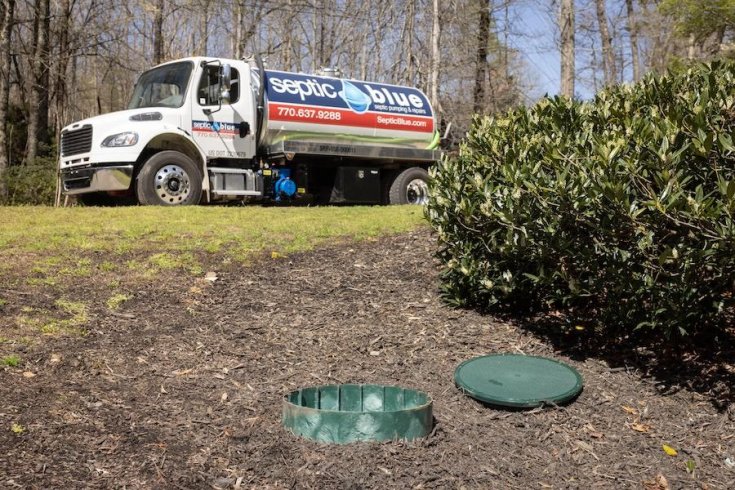
Undersized septic tanks can back up drains, and oversized ones waste money you'd rather spend on the well or a solar array. Getting the sizing…
The drainfield is the most expensive part of a septic system to replace, and the most common cause of failure has nothing to do with…