
WE NOT ONLY PUMP YOUR TANK - WE CLEAN IT! 
WE NOT ONLY PUMP YOUR TANK - WE CLEAN IT!
Free Septic System Inspection ($99 Value) Free enzyme treatment, Financing Available
Request Service Now!
407-565-7044 Free Septic System Inspection ($99 Value) Free enzyme treatment, Financing Available
Request Service Now!
407-565-7044
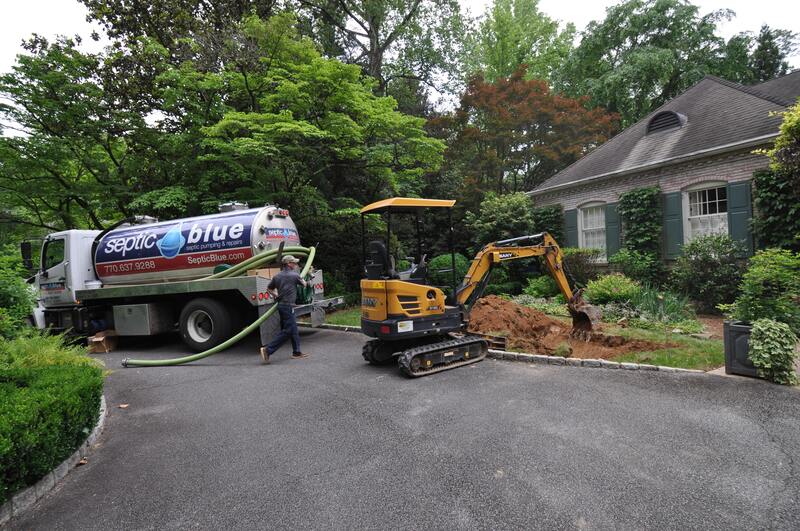
Orlando winters may not bring freezing temperatures like the rest of the country, but that doesn't mean your septic system gets a free pass during the cooler months. Seasonal shifts in water usage, holiday guests, and changes in soil conditions can all put unexpected strain on your system. At Septic Blue of Orlando, we've noticed that many homeowners assume mild weather means zero risk, and then they're caught off guard by slow drains or odors right in the middle of the holidays. Understanding winter septic care tips specific to Florida's climate can save you from an unpleasant surprise when you least expect it. Keep reading to find out what affects your system this time of year and how a little attention now prevents trouble later.
Florida doesn't experience the ground freeze that northern states deal with, but our winter months still create specific challenges for residential septic systems. Nighttime temperatures in the 40s and 50s slow down the biological processes that break down waste inside your tank. The cooler air also affects soil absorption rates in your drain field. During Florida's dry season, which runs from November through April, the ground loses moisture and becomes less efficient at filtering effluent. Your system works harder to disperse liquid waste when the soil is compacted and dry. Add in the cooler temperatures, and you've got a system that processes waste more slowly than it did in the summer. This reduced efficiency means solids accumulate faster than usual. Many homeowners don't realize that septic pumping before winter can give the tank more capacity to handle this slowdown. A trusted septic company in Eatonville, FL will tell you that timing matters. Getting ahead of the seasonal shift prevents backups and extends the life of your drain field.
Thanksgiving through New Year's comes with extra guests, extended showers, and marathon cooking sessions that all dump additional water into your septic tank. The average household uses 80 to 100 gallons of water per person daily. Add four or five visitors for a week, and that could mean 300 or 400 extra gallons flooding your system. Your tank can only hold so much, and the drain field can only absorb liquid at a fixed rate. When you exceed that rate, untreated wastewater backs up into your home or surfaces in your yard. Spread water usage across the day and week. Space out laundry loads over several days instead of running three or four loads back to back. Stagger showers throughout the day, too. Run the dishwasher once at full capacity instead of twice with partial loads. Ask guests to wait a few minutes between flushes if multiple people use the bathrooms all at once. These habits will reduce the volume of water hitting your tank at any one time and give the system time to process each load. Scheduling a septic service before guests arrive gives you a reading of your system's health and confirms you have enough capacity for the extra demand.
Your septic tank relies on anaerobic bacteria to break down solid waste into sludge and scum layers. These bacteria thrive in temperatures between 77 and 95 degrees Fahrenheit. When tank temperatures drop into the 60s, bacterial reproduction slows. Fewer bacteria mean slower decomposition, which leads to faster sludge accumulation. In practical terms, your tank fills up more quickly in winter than in summer. The solids that would normally break down over three to four months might take six months or longer when temperatures drop. This is why a septic cleaning in late fall prevents overflow issues during peak holiday usage. The drain field bacteria have similar challenges. Aerobic bacteria in the soil break down effluent as it filters through the ground. Cooler soil temperatures slow the process and reduce the drain field's absorption capacity. Saturated soil combined with sluggish bacteria creates the perfect conditions for system failure. Homeowners who skip seasonal maintenance end up with waterlogged drain fields and expensive repairs. A septic pumping in Gotha, FL in early spring can clear out the accumulated winter sludge before hot weather returns.
Your septic system will give you warning signs before a full failure. Slow drains throughout the house indicate a full tank or a blockage in the main line. Gurgling sounds from toilets or sinks suggest air is trapped in the system because liquid isn't draining properly. Wet spots or standing water in your drain field point to saturation or a clogged distribution box. Sewage odors near the tank or in your yard mean gas is escaping through compromised seals or overfilled components. Toilets that back up into bathtubs or showers show a serious blockage that needs attention. Green grass growing faster over your drain field than the rest of your lawn indicates excess nutrients from improperly treated effluent. Don't wait for multiple signs to appear. A single symptom warrants a call to a septic company for inspection. Early intervention costs a few hundred dollars. Full system replacement runs $15,000 to $30,000, depending on property size and soil conditions. A routine septic cleaning fixes issues fast, so it doesn't become a big emergency. Contact a septic service provider at the first sign of trouble to protect your investment and avoid repairs during the holidays.
Your septic system works year-round without much thought until something breaks. A little proactive care during Florida's cooler months keeps everything running. Septic Blue of Orlando provides inspections, pumping, and repairs for residential and commercial systems throughout the area. Our technicians understand the challenges that local soil and climate conditions create for septic systems. We respond quickly and price our services fairly. Call today to schedule your winter maintenance appointment and start the new year with one less thing to worry about.
When it comes to plumbing maintenance, most of us are familiar with the basics. You probably know that grease doesn’t belong in your drains. If you don’t…
A healthy septic system relies on a balanced tank environment to support beneficial bacteria responsible for waste breakdown. While these organisms are rarely a cause for concern,…
Every home relies on systems that work behind the scenes, and your septic system is no exception. Odors, backups, and costly repairs do not have to be…

If your home relies on a septic system, you know how important it is to keep it in top shape. At Septic Blue of Orlando, we’ve seen…