
WE NOT ONLY PUMP YOUR TANK - WE CLEAN IT! 
WE NOT ONLY PUMP YOUR TANK - WE CLEAN IT!
Free Septic System Inspection ($99 Value) Free enzyme treatment, Financing Available
Request Service Now!
407-565-7044 Free Septic System Inspection ($99 Value) Free enzyme treatment, Financing Available
Request Service Now!
407-565-7044
.webp)
As a homeowner with an on-site wastewater treatment system, it is important to prioritize septic pumping and cleaning in your budget. However, these additional expenses may seem unnecessary, leading to the popularity of additives as a quicker alternative to maintaining safe sludge levels in the tank. While many products on the market aim to improve performance, eliminate odors, reduce maintenance needs, and prevent costly repairs with little effort, this is not usually the case. At Septic Blue of Orlando, we understand the appeal of using additives. Before investing in store-bought products, here’s what you need to know.
If you are unsure about the impact of additives in your wastewater system, this is the right place. The reality is that most septic treatments are unnecessary, as naturally occurring bacteria break down solids and maintain a balanced tank environment. Although certain situations may benefit from additives, these products usually create new problems rather than solve existing ones.
Manufacturers claim that their products boost bacterial activity, improve drainage, or dissolve solids. This is just the tip of the iceberg, as most of the additives on the market exceed their function and wreak havoc in homes. Instead of risking your wastewater system, taking a more proactive approach toward septic cleaning and practicing good disposal habits can make a big difference in the long run.
Wastewater from your home or business collects in the tank, allowing beneficial bacteria to break down organic waste. This process works effectively without the help of additives, safely separating, filtering, and dispersing treated effluent. Septic systems are designed to rely on this natural, self-sustaining biological process.
Over time, the system continually replenishes its own bacterial population without requiring any extra help from commercial products. With that said, scheduling routine maintenance checks and septic pumping goes a long way in ensuring reliable performance all year round. By constantly using additives, you are not just making a significant impact but also wasting money in the process. In addition, additives pose significant risks and cause expensive repairs that are avoidable.
While most commercial additives can be considered harmless, they rarely improve your wastewater system. However, different products have different ingredients, and some additives can actually cause damage. Even if the packaging is labeled “biological,” some products can interfere with your septic system by disrupting the bacterial balance. Instead of breaking down solids into pieces that sink, these particles float and enter the drain field. This causes clogs, system failure, and other hazardous situations that cost a lot of money to fix.
A functioning drain field is crucial in ensuring your on-site system is in good working order. With this in mind, improper use of additives can pose serious environmental risks, as these products leech into the soil and groundwater. By regularly dumping a handful of additives into the tank, you not only compromise system function but also the quality of the surrounding ecosystems.
Most tank additives provide no benefit to a healthy system and may even affect overall performance. The most effective way to keep your unit running optimally year-round is to focus on regular septic service. As the leading septic company in Orlando, FL, our trained technicians work with you throughout the process, ensuring you make informed decisions that contribute to reliable performance and longevity. If you have concerns about your wastewater system, don’t rush to purchase commercial additives. Contact Septic Blue of Orlando to book an appointment with our experts and enjoy an efficient system for many years to come.
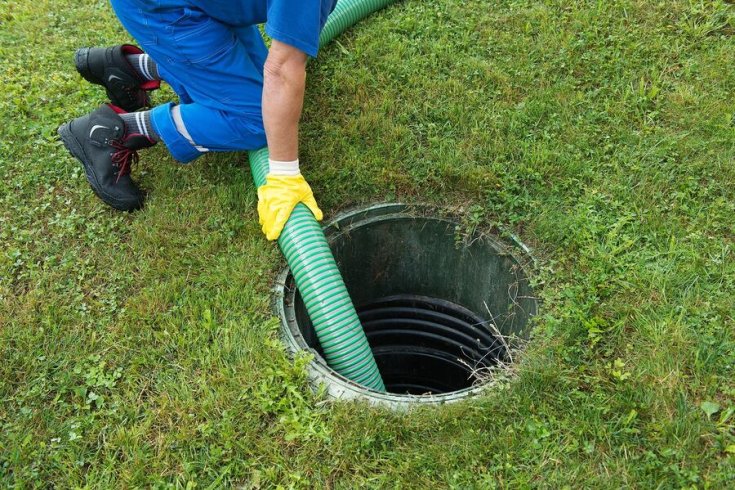
It’s tempting to treat septic pumping as optional maintenance until you encounter costly problems. The issue is that by the time you notice signs like…
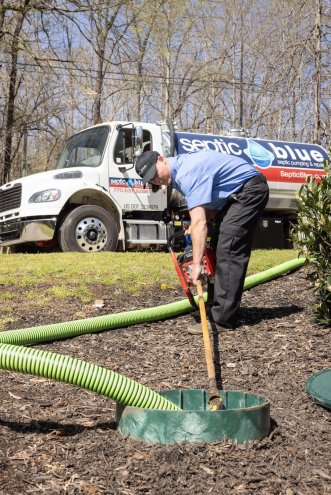
Septic systems play a crucial role in properties without a public sewer system. Unfortunately, most properties rarely think about their on-site units and what happens to the…
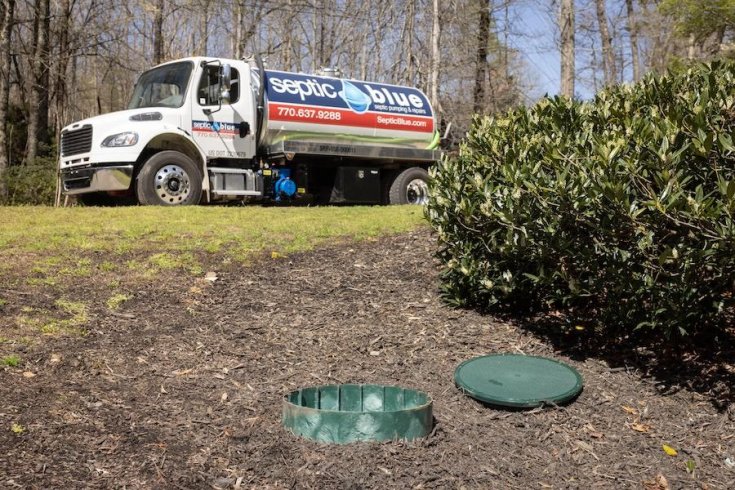
Undersized septic tanks can back up drains, and oversized ones waste money you'd rather spend on the well or a solar array. Getting the sizing…
The drainfield is the most expensive part of a septic system to replace, and the most common cause of failure has nothing to do with…