
WE NOT ONLY PUMP YOUR TANK - WE CLEAN IT! 
WE NOT ONLY PUMP YOUR TANK - WE CLEAN IT!
Free Septic System Inspection ($99 Value) Free enzyme treatment, Financing Available
Request Service Now!
407-565-7044 Free Septic System Inspection ($99 Value) Free enzyme treatment, Financing Available
Request Service Now!
407-565-7044
.webp)
Septic tanks have a limited capacity, which means they have to be emptied regularly. Ideally, a standard septic tank should be pumped every 3 to 5 years or when the combined sludge and scum layers reach 25% to 33% of the tank’s total liquid depth. Septic pumping in Orlando, FL is necessary to keep the system working efficiently and prevent issues like sewage backups and drain field failure.
In this post, the septic experts at Septic Blue of Orlando go over the signs to look out for and determine when it’s time for septic pumping. As a locally owned and operated septic company, we recognize the benefits of emptying your septic tank before the sludge and scum exceed the acceptable limit. Read on to learn the common signs of a full septic tank.
Paying attention to warning signs can help prevent serious septic system problems and costly repairs. Common indicators of a full or failing septic tank include slow-draining sinks, tubs, and showers, frequent toilet backups, gurgling sounds in plumbing fixtures, unpleasant sewage odors inside or outside the home, and unusually lush grass near the drain field. You may also notice standing water or soggy patches in your yard, even during dry weather. These symptoms often suggest that the septic tank is nearing capacity or that wastewater is not flowing properly through the system. Schedule septic cleaning service with a trusted company when you notice any of these warning signs.
This is one of the techniques septic professionals use to determine if your septic tank is full. Septic pumping is recommended when solids reach 25% to 50% of the tank’s liquid depth. Septic experts use a tool known as a sludge judge to measure the thickness of the sludge and scum layers inside a septic tank.
However, you can use the “stick and towel” method if you choose to go the DIY route. Take a long pole (at least 8 feet long) and wrap it with a white cloth. Secure the piece of cloth with tape or zip ties so that it doesn’t come off when dipping the pole into the tank.
Insert the pole into the tank until you feel it hit the bottom. Twist it a couple of times for the sludge particles to adhere to the cloth and pull it out. You’ll see a distinct dark stain on the cloth—measure the length of that stain to determine your sludge depth. If the sludge layer exceeds one-third of the tank’s total liquid depth, it is time to schedule septic pumping service.
Warning: Do not enter the tank when trying to find out if it’s time for septic cleaning. The gases inside septic tanks can be toxic and fatal.
If you’re not comfortable measuring the sludge level yourself, seek help from a professional company. The experts have the expertise to inspect your septic system and offer the right recommendations.
Even if you haven't noticed obvious symptoms, your septic tank maintenance schedule matters. Most residential septic tanks should be pumped every three to five years, depending on household size, water usage, and tank capacity. If you can't remember the last time your tank was pumped, it may be due for service. Let an experienced septic company inspect your septic tank and help you determine if it’s full.
If you’ve suspected that your septic tank is full, call the experts at Septic Blue of Orlando. We are a top-rated septic company that has been in the industry for years and have always delivered first-class services backed by a satisfaction guarantee. Our company has consistently received 5-star ratings for getting the job done right every time. Call us now to book an appointment for septic service.
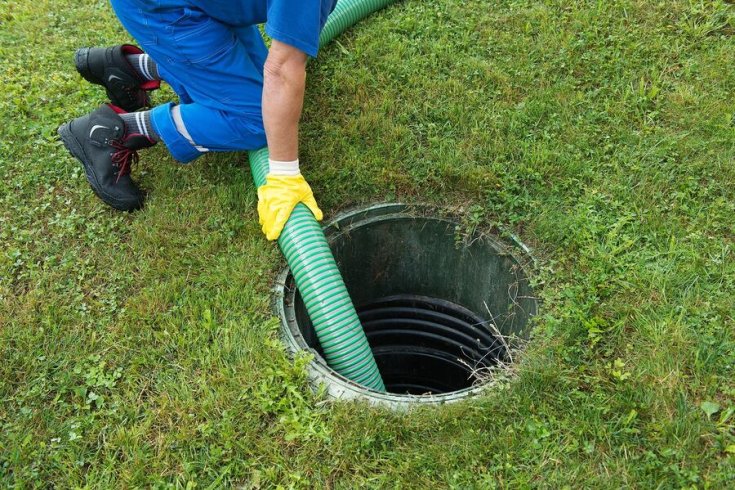
It’s tempting to treat septic pumping as optional maintenance until you encounter costly problems. The issue is that by the time you notice signs like…
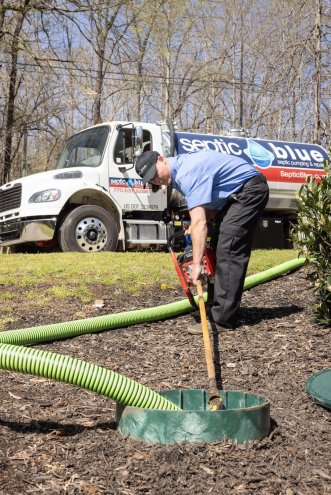
Septic systems play a crucial role in properties without a public sewer system. Unfortunately, most properties rarely think about their on-site units and what happens to the…
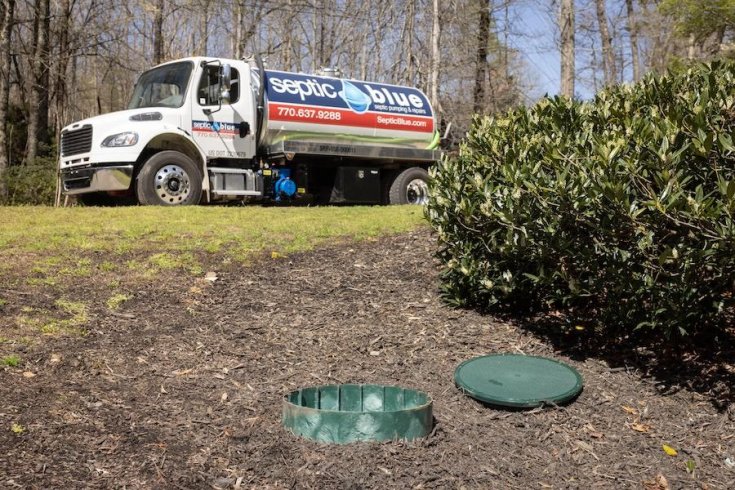
Undersized septic tanks can back up drains, and oversized ones waste money you'd rather spend on the well or a solar array. Getting the sizing…

The drainfield is the most expensive part of a septic system to replace, and the most common cause of failure has nothing to do with…