
WE NOT ONLY PUMP YOUR TANK - WE CLEAN IT! 
WE NOT ONLY PUMP YOUR TANK - WE CLEAN IT!
Free Septic System Inspection ($99 Value) Free enzyme treatment, Financing Available
Request Service Now!
407-565-7044 Free Septic System Inspection ($99 Value) Free enzyme treatment, Financing Available
Request Service Now!
407-565-7044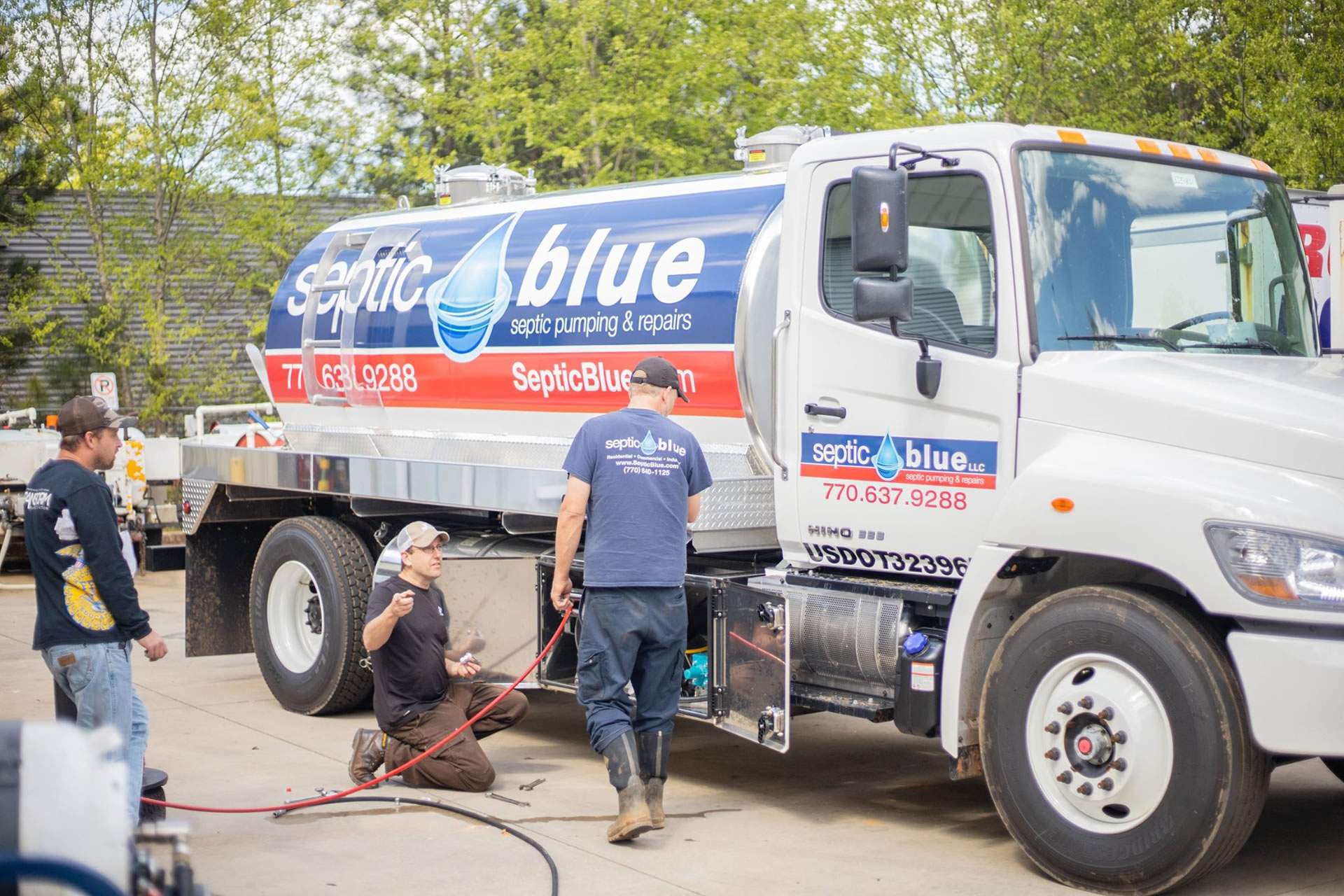

Septic tanks have to be emptied every 3 to 5 years. Many homeowners who rely on septic systems don’t realize there’s a problem until warning signs become severe. At Septic Blue of Orlando, we pride ourselves on offering reliable septic pumping services. We help property owners identify signs that their septic tank is approaching capacity. This guide explains the common signs to watch out for and what to do.
A septic tank should be pumped when the combined volume of sludge and floating scum reaches 25% to 35% of the tank’s total working capacity. If these solids accumulate past this point, they can flow into your drain field and cause costly damage. Septic technicians use a tool known as a sludge judge to determine the depth of the sludge layer, but you can use a long stick wrapped in a white towel. If the top of the sludge layer is within 12 inches of the outlet pipe or the floating scum layer is within 6 inches of the outlet pipe, call a nearby septic service provider to perform an in-depth inspection.
Sewage backing up into your drains can be a sign of a blocked main drain line, but you don’t want to rule out the possibility of a full septic tank. An overwhelmed septic tank pushes waste back into your drains, affecting the lowest drains first.
If you’ve noticed sewage backups in your house, do not hesitate to contact a local septic company to perform a thorough inspection and find out the source. Septic technicians are equipped with advanced tools and modern technology to investigate the source of sewage backups and provide effective solutions.
Sewage backups should be addressed as quickly as possible to avoid sanitary issues, health hazards, pest infestation, and other problems. Emptying the tank in a timely manner ensures the waste is processed efficiently and the effluent is dispersed properly through the perforated pipes. Contact the experts at Septic Blue of Orlando when you need professional and affordable septic pumping service.
This is a sign that sludge or scum is approaching the outlet structure; hence, increasing the risk of solids escaping into the drain field. Some of the solids may flow into the drain field while others can end up blocking the outlet pipe. Either way, you’ll still have a mess on your hands. You’ll need to schedule septic cleaning service and have the experts remove the solid waste before it affects the functioning of your septic tank. Reach out to a trusted septic company as soon as possible to avoid problems such as sewage backups, slow drains, and drain field failure.
A higher-than-normal liquid level inside the tank can indicate that the system is struggling to process wastewater effectively. While liquid levels vary depending on usage and system design, a level that remains unusually high may signal that the tank is overloaded or that wastewater is not flowing properly through the system. This condition should be investigated promptly to prevent backups and potential system failure. Schedule septic cleaning service when you notice this problem and restore your septic tank to good working order.
When your septic system needs attention, you want septic pros who will respond quickly and get the job done right. Contact Septic Blue of Orlando for all your septic system needs. Whether you’re in need of septic cleaning or need a comprehensive inspection, we’ve got you covered. Contact us today to book an appointment with our team.
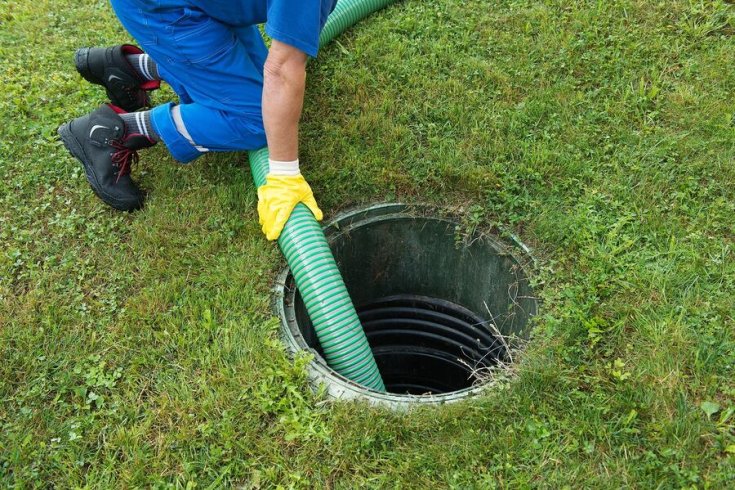
It’s tempting to treat septic pumping as optional maintenance until you encounter costly problems. The issue is that by the time you notice signs like…
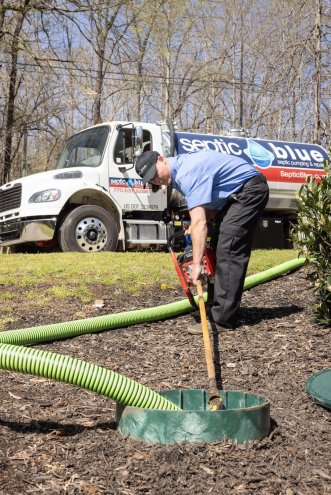
Septic systems play a crucial role in properties without a public sewer system. Unfortunately, most properties rarely think about their on-site units and what happens to the…
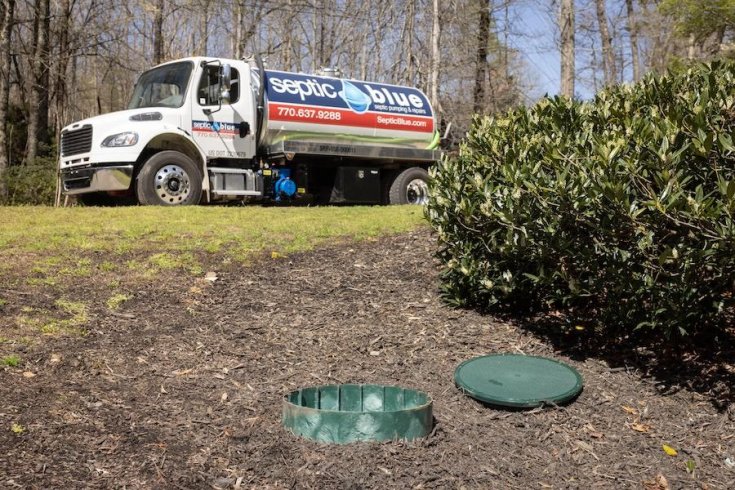
Undersized septic tanks can back up drains, and oversized ones waste money you'd rather spend on the well or a solar array. Getting the sizing…

The drainfield is the most expensive part of a septic system to replace, and the most common cause of failure has nothing to do with…