
WE NOT ONLY PUMP YOUR TANK - WE CLEAN IT! 
WE NOT ONLY PUMP YOUR TANK - WE CLEAN IT!
Free Septic System Inspection ($99 Value) Free enzyme treatment, Financing Available
Request Service Now!
407-565-7044 Free Septic System Inspection ($99 Value) Free enzyme treatment, Financing Available
Request Service Now!
407-565-7044
A failing septic system is a nightmare that can cost thousands of dollars to repair and leave your property unusable until the problem is fixed. The frustrating part is that most failures don't happen overnight. They develop slowly over months or years, giving off warning signs that are easy to miss if you don't know what to look for. At Septic Blue of Orlando, we've seen firsthand how preventable problems turn into full-blown emergencies simply because homeowners didn't understand what was happening under the ground. The reality is that septic systems are designed to last for decades when properly maintained, but certain habits, environmental factors, and neglected maintenance can dramatically shorten that lifespan. Knowing what causes septic systems to fail puts you in a much better position to protect your investment and avoid the kind of disaster that ruins weekends and drains bank accounts. Stick with us as we go through the most common culprits, how to spot early trouble, and what you can do right now to keep your system running.
Your septic tank collects solid waste at the bottom while allowing liquids to flow out to the drain field. When you skip pumping and septic cleaning, solids accumulate until they have nowhere else to go. The sludge layer rises, and eventually raw sewage backs up into your home or pushes out into the yard. Most tanks need pumping every three to five years, depending on household size and water usage. A family of four with a 1,000-gallon tank will hit capacity faster than a couple living in the same house. Inspections matter just as much as pumping because a trained technician can catch problems you'd never notice on your own. Cracked baffles, deteriorating tank walls, and early drain field issues all show up during a routine check. Skipping these appointments doesn't save money. It delays the bill until the damage multiplies. A $300 septic service visit costs a fraction of the $10,000 to $30,000 price tag for a full system replacement. Schedule your septic pumping on a consistent cycle and document every visit so you know exactly where you stand.
Toilets connect directly to your septic tank, and that makes them a tempting disposal route for all kinds of household waste. The problem is that your system relies on bacteria to break down organic material. Anything that doesn't decompose naturally creates blockages and disrupts the biological process that keeps everything working. Feminine hygiene products, baby wipes, cotton swabs, dental floss, and so-called "flushable" wipes all cause serious damage. Those wipes don't break apart the way toilet paper does. They clump together and clog pipes, pumps, and inlet baffles. Grease and cooking oil coat tank walls and form a thick scum layer that reduces capacity and prevents proper separation. Cat litter, even brands marketed as flushable, expands and hardens inside the tank. Medications flush bacteria-killing compounds straight into the system. Paper towels and napkins take years to decompose compared to toilet paper designed for septic use. Every item you flush becomes your tank's problem. Only human waste and toilet paper go down the toilet. Everything else goes in the trash. Following this guideline prevents the majority of septic cleaning emergencies we respond to each year.
Your septic system is a living ecosystem. Billions of bacteria break down solid waste, digest organic matter, and keep the treatment process running. Harsh chemicals wipe out bacterial colonies and leave your tank unable to process waste. Bleach tops the list of common culprits. A small amount for cleaning won't destroy your system, but heavy use disrupts bacterial balance for weeks. Antibacterial soaps, drain cleaners, and paint thinners all deliver similar blows. Drain cleaners contain lye or sulfuric acid that kill bacteria on contact and corrode tank components. Pouring leftover paint, motor oil, pesticides, or solvents down any drain introduces toxic compounds that your system cannot process. Once bacteria populations crash, solid waste accumulates faster, and the entire breakdown cycle stalls. You'll notice slow drains, foul odors, and soggy spots in the yard before long. Switch to septic-safe cleaning products and dispose of hazardous materials at designated facilities. Protecting the bacterial balance inside your tank keeps the whole system working without requiring emergency services.
Septic systems handle a specific volume of water based on tank size and drain field capacity. If you exceed the limit, the system floods. Too much water pushes waste through the tank before bacteria can treat it properly. Untreated sewage flows into the drain field and saturates the soil. Waterlogged drain fields lose their ability to filter effluent, and contamination spreads into groundwater. Several habits contribute to water overload. Running multiple loads of laundry back to back overwhelms the tank in a single afternoon. Leaky faucets and running toilets add hundreds of gallons per week without you noticing. Long showers, simultaneous dishwasher and washing machine cycles, and excessive irrigation near the drain field all compound the problem. Installing low-flow fixtures reduces daily water output by 25 to 50 percent. Spacing out laundry loads gives the tank time to process between batches. Fixing leaks immediately stops the silent waste that adds up month after month. Water conservation is a septic survival strategy. Every gallon you save extends your system's functional life and reduces the frequency of major repairs.
Septic failures come with expensive repairs, property damage, and health hazards you don't want anywhere near your family. The causes we've covered here are preventable with the right knowledge and consistent maintenance. Watching what goes down your drains, scheduling regular septic service appointments, protecting your bacterial balance, and managing water usage all contribute to a system that lasts for decades instead of failing in years. Don't wait for sewage in your yard or backed-up toilets to take action. Contact Septic Blue of Orlando today to schedule an inspection or discuss your maintenance plan. Our technicians identify issues before they escalate and provide honest recommendations based on your system's actual condition. When you need a septic company in Orlando that prioritizes your long-term results over quick fixes, we're the team to call. Reach out now and give your septic system the attention it deserves.
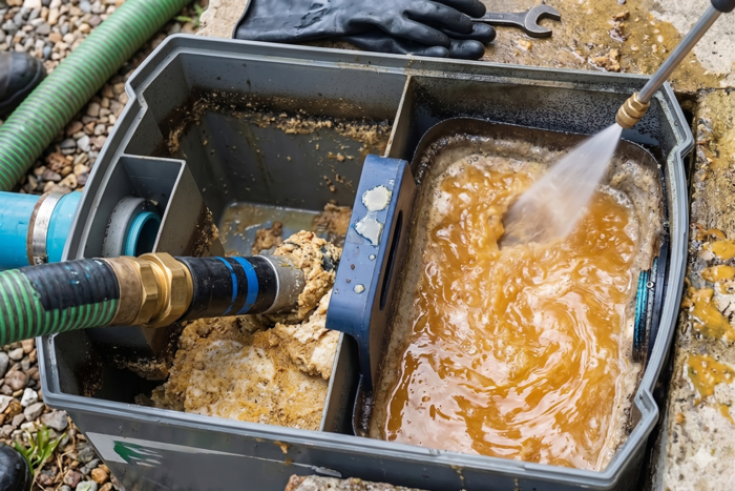
When it comes to plumbing maintenance, most of us are familiar with the basics. You probably know that grease doesn’t belong in your drains. If you don’t…
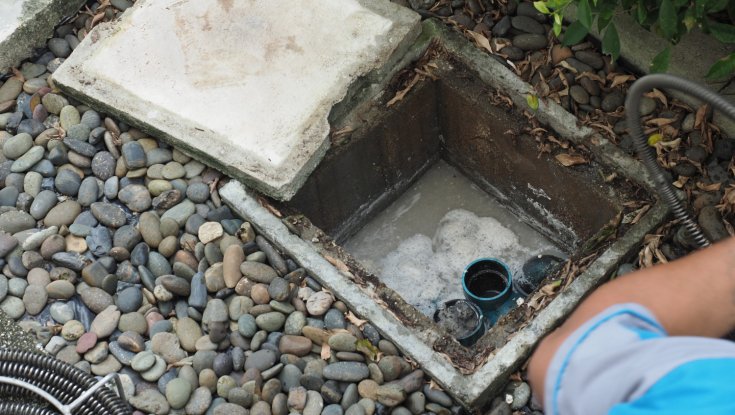
A healthy septic system relies on a balanced tank environment to support beneficial bacteria responsible for waste breakdown. While these organisms are rarely a cause for concern,…
Every home relies on systems that work behind the scenes, and your septic system is no exception. Odors, backups, and costly repairs do not have to be…

If your home relies on a septic system, you know how important it is to keep it in top shape. At Septic Blue of Orlando, we’ve seen…